
Loading...
Your deck, addition, or garage needs footings that will not heave, settle, or shift after a Champaign winter. We dig to the right depth, pull the permit, and pour footings sized for Illinois clay soils.
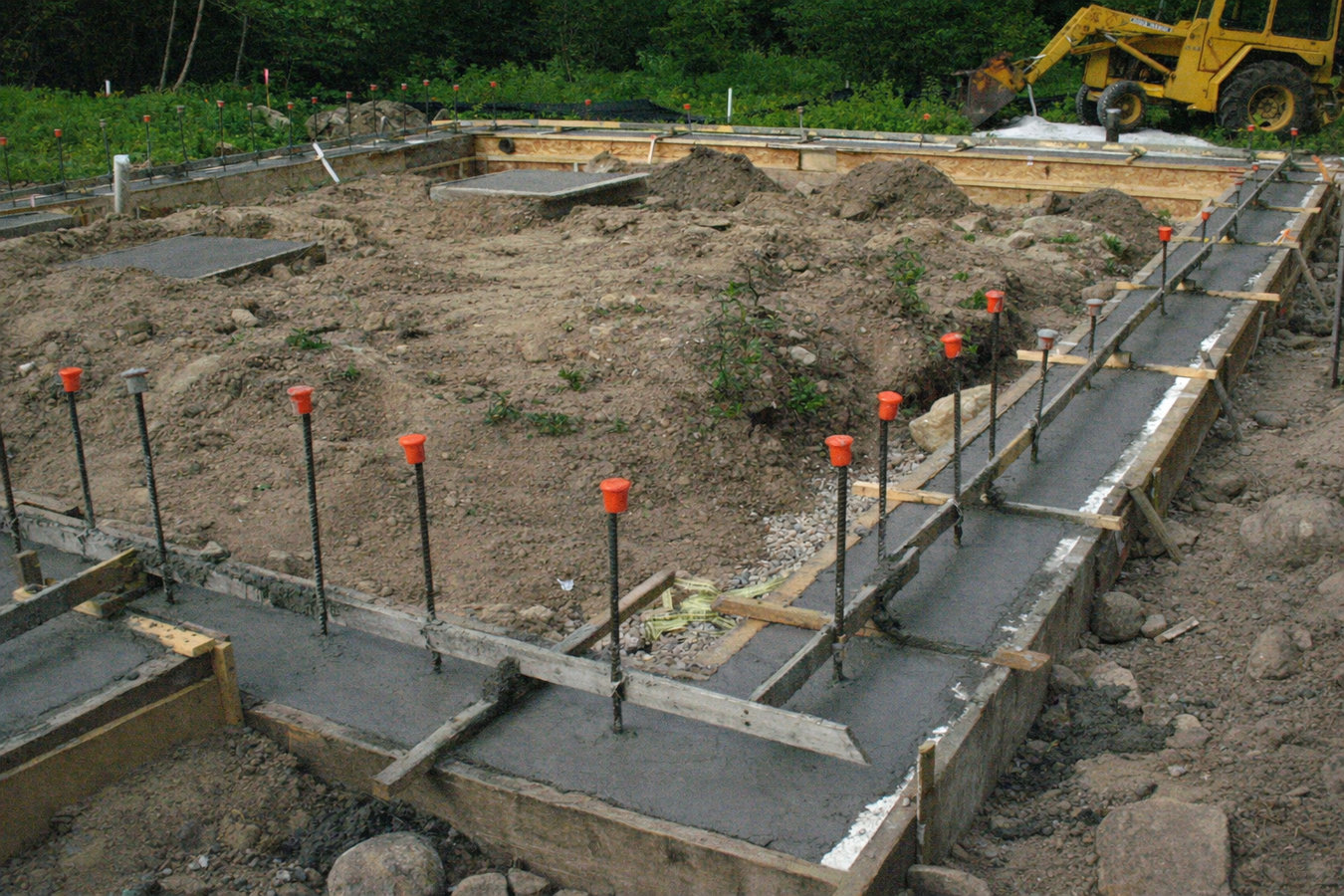
Concrete footings in Champaign require excavating at least 36 inches below grade to get below the frost line, setting forms, passing a city inspection, and pouring reinforced concrete - most residential footing projects take one to three days of active work, plus a curing period before construction can continue.
Footings are the buried concrete pads that carry the weight of a structure and spread it safely into the soil below. Without them, decks tilt, additions crack, and garages shift. Many Champaign homeowners discover footing problems only after a structure has started to visibly move - often because the original footings were set too shallow for central Illinois winters. If you are planning a larger structure, we also handle slab foundation building when the project calls for it.
Champaign's clay-heavy soils and deep frost line mean footing design here is not interchangeable with what works in a warmer, drier city. Getting the depth and sizing right from the start is almost always cheaper than repairing a shifted structure years down the road.
If your deck or porch has started to lean, sag, or separate from the main structure, the footings underneath may have shifted or settled. In Champaign, this often happens after several cycles of hard freezing and thawing push shallow footings upward and out of position. A tilting deck is a safety concern, not a cosmetic one.
Horizontal or stair-step cracks in a foundation wall, or wide cracks running across a concrete floor, can signal that the footings below are no longer holding steady. Champaign's clay-heavy soils expand and contract with moisture changes, and footings not sized for that movement allow the structure above to slowly shift. Cracks wider than a quarter-inch or cracks that are growing deserve a professional look.
When footings shift, the structure above moves with them - and one of the first signs is doors and windows that suddenly stick, jam, or no longer latch correctly. This is especially common in older Champaign homes where footing standards were less stringent and the clay soils have had decades to do their work. If you notice this pattern in multiple places, footing movement may be the cause.
Any new structure attached to your home or built on your property needs its own footings - you cannot build on top of existing soil or an old slab. If you are planning a deck, garage, sunroom, or large shed in Champaign, a footing assessment and permit application should be your first step. Starting without proper footings is the most common reason new structures fail within the first decade.
We handle every phase of concrete footing work in Champaign - from the permit application through the City of Champaign Building Safety Division to the final inspection sign-off. Every footing we dig goes to at least 36 inches to clear the frost line, and we size the width and reinforcement to the soil conditions we find on-site. For projects that are part of a larger structural build, we coordinate footing work with foundation raising when existing footings have shifted and need to be corrected before new construction begins.
Residential footing projects typically cover decks, additions, detached garages, sunrooms, and accessory structures. We also handle footing replacement for older Champaign homes where existing footings were set to shallower standards and are now showing movement. Steel reinforcement is included in all structural footings - you can ask to see the rebar placement before any concrete is poured, and we welcome that question.
For homeowners adding or replacing a deck or covered porch - dug to frost depth and sized for the load the structure will carry.
For attached or detached additions and garages - full permit process, inspection, and pour handled start to finish.
For large sheds, workshops, and outbuildings - built to Champaign code with proper depth for the freeze-thaw cycle here.
For older Champaign homes where existing footings were set too shallow and are now heaving or settling after each winter season.
Illinois requires footings to be placed below the frost line, and in Champaign that means digging down at least 36 inches. This is deeper than many warmer-climate cities require, which adds excavation time and cost to any footing project. A contractor who quotes you a price based on shallower work is a warning sign - shallow footings in central Illinois will fail within a few winters as the freezing soil pushes them upward each season. The City of Champaign Building Safety Division requires a permit and a pre-pour inspection for most structural footing work, which means a city inspector verifies the depth before any concrete goes in. For homeowners in Rantoul and throughout central Illinois, that inspection is an independent check that protects your investment and creates a record that matters at resale.
Champaign's soils are largely glacial clay deposits - moderately expansive, meaning they swell when wet and shrink when dry. That seasonal movement puts extra stress on footings over time, which is why experienced local contractors often size footings wider or add reinforcement beyond the minimum. Many homes in Champaign's established neighborhoods - especially those near the university and on the city's north side - were built before modern footing standards were in place. Homeowners in those neighborhoods, and in growing suburban areas like Savoy, regularly discover that existing footings under older outbuildings or attached structures are too shallow for today's loads and local soil conditions.
Reach out by phone or contact form - we respond within one business day. We ask what you are building, where on your property it sits, and whether you have spoken with the city yet. If a contractor mentions permits early in this conversation, that is a good sign they plan to do the job correctly.
We visit your property to measure the area, assess soil conditions, and determine the required depth and width for your footings. You receive a written estimate that breaks out excavation, materials, labor, and permit fees - ask for this in writing before agreeing to anything.
We submit the permit application to the City of Champaign Building Safety Division on your behalf. Once approved, we dig the trenches or holes to at least 36 inches, set the forms, and schedule the required city inspection before any concrete is poured. The inspector verifies depth and sizing - this protects you.
Once the inspector signs off, we place the rebar and pour the concrete. The pour itself typically takes a few hours. Concrete needs three to seven days to cure before any significant load is placed on it. We walk you through the curing period and provide any documentation needed to close out your permit.
No obligation. We visit your site, assess your soil conditions, and give you a written estimate that covers everything - excavation, materials, and permit fees. Most replies within one business day.
(217) 803-9330Champaign's frost line sits at roughly 36 inches below grade - deeper than most warmer-climate cities. We dig to that depth on every project, not whatever is quickest to excavate. A footing set above the frost line will heave, shift, and eventually destroy whatever is built on it. That is not a risk worth taking to save a few hours of digging.
The City of Champaign requires a building permit and a pre-pour inspection for most structural footing work. We submit the application to the Building Safety Division, schedule the inspector, and manage the entire process. Permitted work creates a legal record that protects your home's resale value and documents the job was done right.
Champaign's glacial clay soils expand and contract with seasonal moisture changes, putting stress on footings from below. We size footing width and reinforcement for local soil conditions - not a generic template. Homes built in Champaign's older neighborhoods often sit on soils that have been moving for decades, and we account for that in the design.
The University of Illinois Extension publishes research on central Illinois soils and climate that informs construction best practices in this region. We stay current on this local knowledge - which means our footing designs reflect what actually works in Champaign's specific ground conditions, not a one-size-fits-all approach.
When footings are built right, the rest of the project stays right - for decades. We have seen what happens when they are not, and we are not interested in doing that kind of work.
When existing footings have shifted and a structure needs to be leveled and stabilized before new work begins.
Learn moreFull slab foundations for garages, additions, and new structures - built to frost-depth requirements throughout Champaign.
Learn moreSpring and fall slots fill fast - contact us now before the permit queue backs up and scheduling stretches out by weeks.